
Our Programs
We implement structured, evidence-based programs designed to address the root causes of animal suffering and provide immediate relief to those in crisis.
Rescue Support
Providing resources and logistical assistance to frontline rescue operations.
Who it helps
Local shelters, independent rescuers, and animals in immediate crisis.
How it works
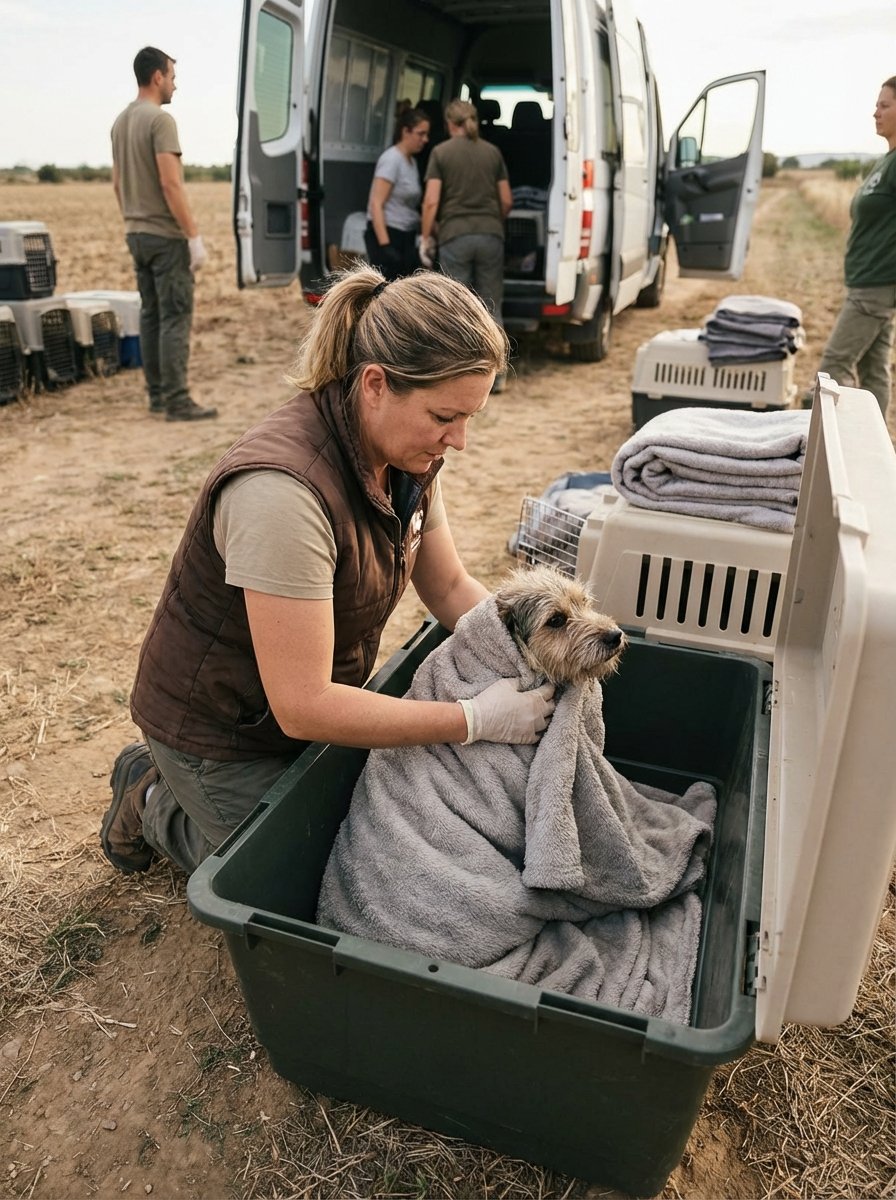
We provide funding for transport, temporary boarding, and essential supplies to help rescues happen safely and efficiently.
Why it matters
"Frontline rescuers often lack the logistical support needed to move animals from danger to safety. We help close that gap."
Examples of support
- Transport coordination for urgent rescue transfers.
- Short-term boarding, crates, and safety supplies while placement is being arranged.
- Mission-aligned support for frontline responders handling animal welfare emergencies.
Expected public benefit
- Animals can be moved from danger to safer temporary care more quickly.
- Rescuers receive practical support that removes common logistical barriers.
Care and Rehabilitation Assistance
Assisting in the medical care and rehabilitation of animals in transition.
Who it helps
Injured, neglected, or traumatized animals requiring specialized care.
How it works
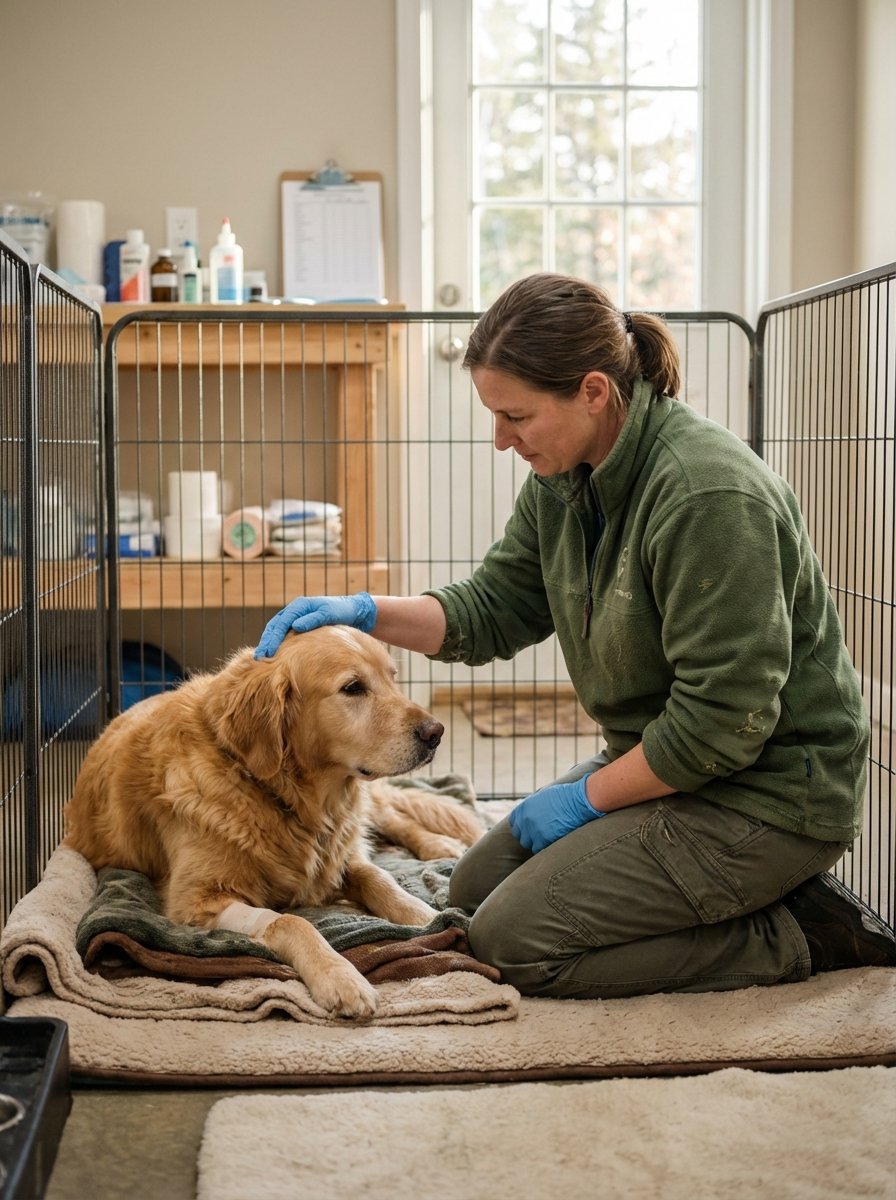
Through partnerships and mission support, we help address treatment needs, recovery planning, and rehabilitation resources.
Why it matters
"Rescue is only the first step. Proper rehabilitation gives animals a stronger path toward recovery and safe placement."
Examples of support
- Support for veterinary evaluation, treatment planning, and recovery needs.
- Rehabilitation resources for animals needing stabilization before their next placement.
- Coordination support for compassionate care during transition periods.
Expected public benefit
- Animals receive more consistent care during vulnerable recovery periods.
- Partners can focus on long-term placement instead of short-term care gaps.
Community Awareness and Humane Education
Building community awareness through outreach and educational initiatives.
Who it helps
Schools, community groups, and the general public in the New York area.
How it works
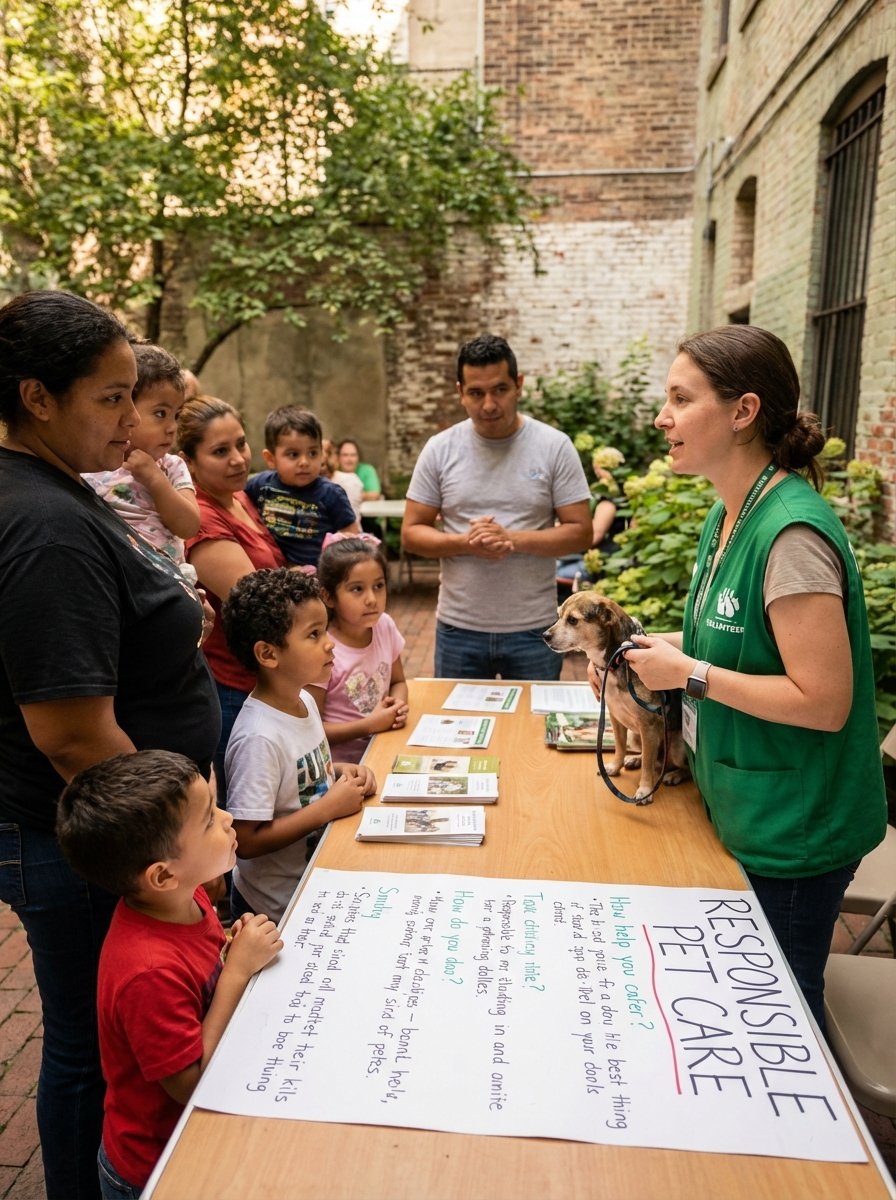
We develop educational materials and outreach content focused on humane care, responsible action, and animal protection.
Why it matters
"Prevention is one of the most effective ways to protect animals. Education helps build a more compassionate future."
Examples of support
- Educational materials about humane care, prevention, and responsible response.
- Community-facing outreach that explains where to seek help and how to act safely.
- Mission-first awareness efforts that promote compassion and practical prevention.
Expected public benefit
- Community members are better prepared to protect vulnerable animals responsibly.
- Education helps reduce avoidable harm before crisis situations escalate.
Animal Welfare Reporting and Response Support
Helping communities report and respond to animal welfare concerns effectively.
Who it helps
Community members who witness animal neglect or abuse.
How it works
We provide public guidance on documenting concerns, identifying the proper authorities, and taking lawful next steps.
Why it matters
"Many people want to help but do not know how to respond. Clear reporting guidance makes responsible action more possible."
Examples of support
- Clear public guidance on documenting concerns and contacting the proper authorities.
- Non-emergency advocacy support that helps community members take responsible next steps.
- Mission-aligned information that distinguishes urgent reporting from general outreach.
Expected public benefit
- People can act faster and more appropriately when they witness welfare concerns.
- Communities gain a clearer roadmap for lawful, compassionate reporting.

Get Involved
Help us build a more compassionate future for animals through awareness and support.